How we work...Operating context
THE GLOBAL HOSPITALITY INDUSTRY
It is well-known that the Covid-19 pandemic had an unprecedented impact on the global tourism and hospitality sector from an economic and social perspective. There has been extensive reporting on travel bans, forced business closures, widespread retrenchments, steep revenue dives, steeper share price declines, and the staggering toll that Covid-19 took on human life globally.
While the virus continues to spread through our communities, business owners are starting to look ahead with a cautious positivity. People are once again able to plan for the future with relative optimism, and some very encouraging statistics have been published recently. In mid-June 2022, Amadeus Hospitality published statistics (sourced from their in-house business intelligence tool) that stated that global hotel reservations have been on par with pre-pandemic 2019 booking levels since March 20221, and we have observed similar trends ourselves. May 2022 achieved occupancies of 52% for South Africa, and 49% for the group, which occupancies were on par with pre-Covid occupancies in May 2019. The improved occupancy trends over the last few months are encouraging, even as the discounted rates start returning toward pre-Covid levels.
Remaining restrictions still influence which countries travellers are originating from. Hoteliers, destination management organisations (DMOs), and travel agencies are tracking hospitality statistics closely to understand which countries are booking the highest number of flights to their regions, and where additional marketing would be the most impactful. Marketing by hotels during this period has proved a lucrative exercise as people, emerging from restrictive and isolated lockdowns, have a pressing desire to travel, to reconnect with loved ones, to visit new places, meet new people, and have memorable experiences.
THE SOUTH AFRICAN HOSPITALITY INDUSTRY
The South African hotel space was specifically sensitive to the various local and international crises that occurred during the year under review. In addition to the ongoing discovery of new strains of the Covid-19 virus and the recurring waves of infection, the insurrection and looting in July 2021, the instigation of the Russia | Ukraine conflict, the rising inflation and cost of fuel, loadshedding and the flooding in KZN each impacted the group's ability to create value and challenged the entire hotel industry's ability to attract guests, offer sustainable or profitable room rates, retain key employees, and maintain optimal standards of hospitality.
Mango Airlines closed in June 2021 and Kulula Airlines' flights were grounded in late April 2022. Kulula Airlines was subsequently closed and British Airways suspended all operations in South Africa following the institution of Comair's liquidation at the beginning of June 2022. This rapid decrease in the availability of local flights has caused prices of flights to increase dramatically and has, thus, caused the number of people travelling to decrease at the same rate. These factors hampered the recovery of travel and competitive pricing discounts meant a slow recovery to already heavily discounted rates following the pandemic.
Below is a timeline of local and global events that have affected the South African hospitality industry:
Statistics South Africa ("Stats SA")2 indicates that at 30 June 2022, total accommodation income for hotels nationally had increased by 116.5% when compared to June 2021.
Against this backdrop, it is far easier to feel optimistic about the recovery of the hospitality sector in the coming months and years. Dips in income as a result of the pandemic and the 'waves' of infection that followed can be seen to have become less severe as the world has adapted to a life that is so altered from the life that existed pre-March 2020.
Operating context of the year under review

| 1 | Guillot, A. (2022). Global Hotel Occupancy Surpasses 2019 Levels for the First Time Since the Pandemic Started. https://www.amadeus-hospitality.com/insight/2022-summer-travel-trends/ |
| 2 | ^ information and graph sourced from Statistics South Africa, Statistical Release P6410: Tourist Accommodation (Preliminary), August 2022 |
At the end of June 2022, the total market cap of the South African hospitality industry was c.R35 billion (2021: c.R29 billion) and revenue was at c.R30 billion (2021: c.R22 billion). In the last 12 months, the industry value has increased by 27%3. Additionally, figures released by Stats SA showed that the number of international tourist arrivals in South Africa between January 2022 and April 2022 was 537% higher than the number during the same period in 2021.4
Hospitality trends
As a company, we cannot help but notice that our guests' habits and expectations have shifted radically as a result of the change in the norms of society. An increased guest awareness of sustainability and deliberate wellbeing has changed the benchmark for us and for our competitors. A successful recovery from the losses of the pandemic will be dependent on the speed at which an entity can identify and respond to these new priorities.
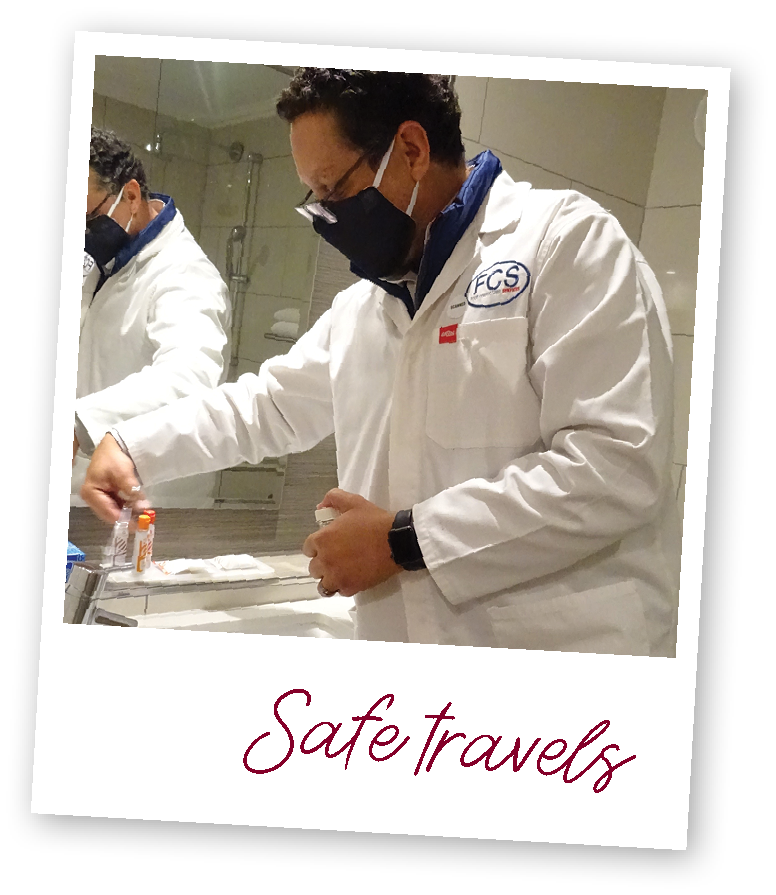
In 2020 and 2021 we observed an increased popularity in staycations, low-touch technologies, and stringent hygiene protocols. In responding to these trends, we gave the general managers at each hotel a considerable amount of independence to be proactive in formulating a response strategy that aligns with their hotel's target market.
In 2022, however, these trends have developed to the extent that our existing response strategies required further revision. We have identified the following trends in guest behaviour and requirements during the year under review:
Wellness in hospitality
Covid-19 triggered a shift in peoples' attitude towards preventative health practices and self-care. Deliberate wellness and healthy lifestyle changes are trending now and the wellness industry is morphing into a thriving multi-trillion Rand market and hotels are well-positioned to take advantage. We were mandated to close our hotel fitness centres during the pandemic, and their reintroduction has pleased our more health-conscious guests immensely.
To the extent that our guests placed a high importance in fitness and wellness, our hotel poolsides were a favourite retreat for our guests, enhanced by the great cocktails and country favourite shisa nyama platter in most of our hotels. The convenience of having a fitness facility down the corridor has been a key factor in making business guests some of our most frequent visitors, especially as these guests can enjoy a work-out, a healthy meal, and a fit-for-purpose workspace, with super-fast WiFi all in one building.
Bleisure workspaces
Pre-Covid attitudes toward employees working from home faced an unprecedented challenge once lockdown kicked in. According to a survey done by Michael Page Africa5, this has led to a workspace revolution. Despite the fact that hospitality companies have largely been unable to do so, most other industries have adopted a hybrid or flexible approach to working remotely. Where possible 79% of employees surveyed worked remotely, while only 26% were able to work at home prior to the pandemic.
| 3 | (2022). South African (JSE) Hospitality Industry Analysis. https://simplywall.st/markets/za/consumer-discretionary/hospitality |
| 4 | Daniel, L. (2022). South Africa is welcoming more overseas travellers – but still only a third of pre-Covid arrivals. https://www. businessinsider.co.za/tourism-south-africa-overseas-arrivals-compared-to-before-covid-19-2022-6 |
| 5 | Page, M. (2021). Dramatic increase in remote working in South Africa. https://www.michaelpageafrica.com/advice/insights/ latest-insights/dramatic-increase-remote-working-south-africa#: |
This means that hospitality venues, specifically co-working spaces and hotels rooms are being used as offices by bleisure travellers, as well as locals seeking a change of work environment and a quiet environment with reliable electricity supply and WiFi. This has been a fantastic opportunity for CLHG to adapt our offering to meet the requirements of this emerging guest sector and to capitalise on the trend. Our recent focus on ample plug points, complimentary high-speed WiFi, great breakfasts and excellent coffee and food and beverage options have provided a handsome return on investment.
Digitalised guest experiences
Since launching our CLHG App on Google Play and the App Store, the number of downloads and proportion of bookings made through the App has made it clear that technology is becoming increasingly important in the way hospitality companies manage the services they provide to their guests. We can now technologically control many aspects of the guest cycle and experience. As expected, the trend towards digital and touchless services has picked up traction since 2020. Services that have traditionally been guest‑facing are being overhauled thanks to the more widespread use of our technology‑assisted options, such as mobile check‑in, contactless payments, QR codes for menus and a WhatsApp chat for guests to communicate with our employees directly.
Sustainability
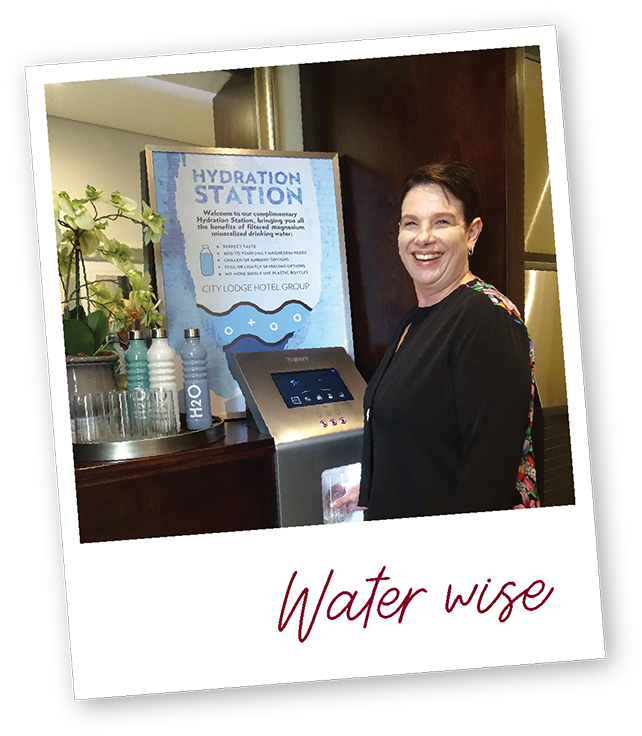
Sustainability in the hospitality industry has steadily grown in popularity as different elements of the guest experience come under the microscope. A natural extension of our initiatives to avoid single-use plastics, eliminate unnecessary paper consumption with electronic receipts, and reduce food waste, are the ethical and environmental considerations that come into play when decisions are being made at board level. Decisions about things as simple as which lightbulbs to install during refurbishments have repercussions when implemented at scale. Simple eco-friendly switches have received compliments from our guests as we move forward on our environmental sustainability journey.
Less travelling
Lockdown restrictions in 2020 and 2021 have brought about the rise of the staycation. Despite the lifting of lockdown travel restrictions, our guests still face airline price hikes, constrained airline seat capacity, Less airline capacity has required tourists to book well ahead of time, which encourages advance booking and enables us to predict better demand and improve yield pricing to optimise rates. The fuel and gas shortages as the Northern Hemisphere heads into winter, coupled with favourable exchange rates for foreign tourists, are beneficial for South Africa's international tourism sector.
The high global inflation and high costs of international travel, have driven many local travellers opting in favour of the staycation trend, which is an understandable choice given our country's inexpensive leisure options, beautiful landscapes and pleasant climate. A visit to any part of the country can include a stayover in a CLHG hotel, and our guests appear keen to travel nationally with the option to stay with a friendly and familiar brand.
The hospitality industry in REST OF SOUTHERN AFRICA
Botswana
Town Lodge Gaborone, Botswana has been able to recover well as the government in Botswana is cognisant of the contribution that travel and tourism makes annually to the country's GDP and has prioritised its growth for the last several years. Pre-Covid, the government established an economic diversification strategy that included growing the travel and tourism industry. During 2021, however, revenues in the sector dropped by as much as 95% as Botswana was declared one of the countries with the highest per capita Covid-19 infection rates. During the first six months of 2022, the government relaxed many of its travel restrictions and the industry was able to rebound, albeit slowly.
Historically, the Botswana travel and tourism market has been centred around high-end consumers seeking five-star accommodation and experiences. Recently, however, we have noted that the government has focused more on middle-class travellers as it seeks to broaden its tourist-base. Gaborone occasionally experiences shortages of hotel rooms during major conferences and summits held in the city, and this may lend itself to improved demands as the economy's growth prospects improve.

Mozambique
The Mozambiquan hospitality industry is in full recovery following the effects of the State of Emergency and the later State of Public Calamity declared by the president in response to the Covid-19 pandemic. The restrictions affected hotels and restaurants most, with a reduction in turnover of more than 95%, or USD75 million.6 With the added increase in the price of fuel and, therefore, food and beverage stock, the recovery has been slowed.
The official opening of City Lodge Hotel Maputo was in February 2020, only weeks before the declaration of the State of Emergency in March 2020. The lifting of travel bans, coupled with the hotel's proximity to the Maputo airport and the commercial centre, has allowed us to focus our sales and marketing efforts in building brand presence in Mozambique.
Mozambique President Filipe Nyusi announced a series of post-Covid economic stimulus measures in August 2022, including tourism and investment initiatives such as the establishment of tax incentives for new investments, and waiving of visas for 72 countries, reports Tourism Update. An e-Visa system is due to be launched before the end of the year, further easing travel.
President Nyusi says international tourist arrivals are expected to reach between 55% and 70% of 2019 levels by the end of this year, with accommodation and catering establishments collecting over MZN844 million (US$13.2 million) in the first quarter of 2022, an 18.4% rise over the same period last year.
Other developments include:
- Integrated Platform for Tourism Management by the Ministry of Tourism and Culture includes tourism destination management, coordinated involvement of tourism stakeholders and the use of technological tools.
- Mozambique elected to the Executive Board for the Africa Region of the United Nations World Tourism Organization (UNWTO) in 2021.
- Establishment of the Triland Route with South Africa and eSwatini (Swaziland).
- Private-sector partnerships to promote domestic tourism.
- Launch of Visit Mozambique destination marketing online portal.
Namibia
The hospitality industry in Namibia showed consistent growth during the first six months of 2022. The national hotel occupancy year-to-date average is 29.1% (2021: 22.5%) and Hotel Association of Namibia (HAN) CEO, Gitta Paetzold, has confirmed these figures at 70% of the normal levels recorded in 2019.7
Town Lodge Windhoek has an advantage over its competition as a large number of the business travellers visiting the capital city are South Africans. With our familiar logo and welcoming employees, Town Lodge remains one of the preferred options for accommodation in the city.
The Namibia Investment Promotion and Development Board (NIPDB) has launched its Namibia Digital Nomad Visa programme, which will be applicable for six months, reports Tourism Update. This will be available to people working for companies outside of Namibia and make it easier for foreign nationals to live and work in the country.
In addition, Namibia Tourism Board has launched a new website and Digital Marketing Campaign and Foreign Missions Toolkit to further boost post-pandemic travel.
| 6 | Leonardo, M. (2022), Mozambique: A Glance at Tourism Recovery, After Two Atypical Years. https:// clubofmozambique.com/news/mozambique-a-glance-at-tourism-recovery-after-two-atypical-years-219443/ |
| 7 | Williams, KB. (2022). Namibia’s Hospitality Industry Upbeat on Recovery Prospects. https://voyagesafriq. com/2022/06/22/namibias-hospitality-industry-upbeat-recovery-prospects/ |